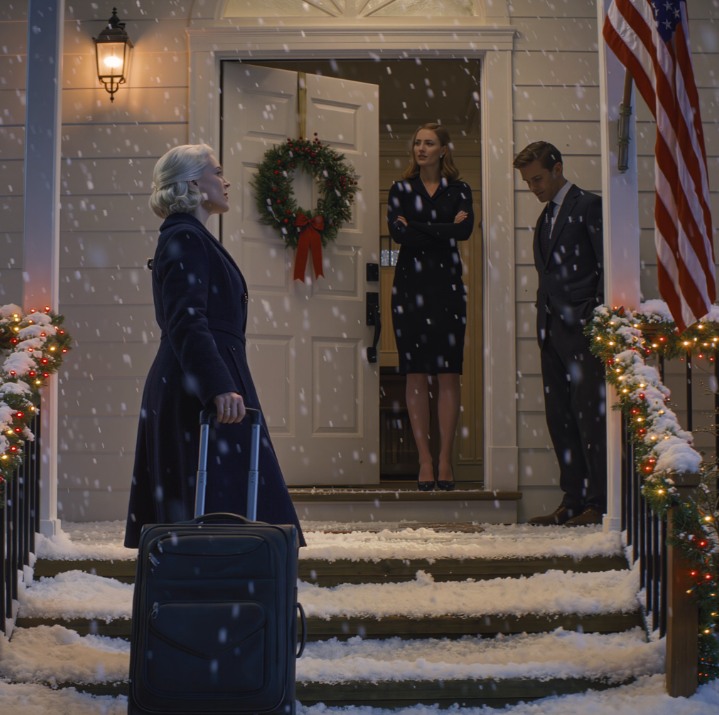
“So where does that leave us?”
It was a fair question, one I’d been asking myself since the doctor’s call that morning. Where did it leave us? I had every right to walk away from this family permanently. I had every justification for letting them live with the consequences of their cruelty without interference from me.
But sitting in that hospital room, holding the hand of the boy I’d helped raise, I realized that revenge and justice weren’t the same thing. Justice had been served—they’d learned the truth about their assumptions and faced the natural consequences. Revenge would be withholding forgiveness from someone who was genuinely trying to make amends.
“It leaves us here,” I said finally. “Starting over, if you want to. Building a relationship based on who we actually are instead of who we thought we were supposed to be.”
David’s eyes filled with fresh tears.
“You’d be willing to do that? After everything?”
“I’d be willing to try. But it would be different this time, David. I’m not going to be the invisible woman who makes everything work behind the scenes. I’m not going to pretend to be less than I am to make other people comfortable.”
“I wouldn’t want you to.”
“And I’m not going to rescue you from the consequences of your choices. If you want a relationship with me, you have to build it yourself, maintain it yourself, and value it for what it is—not for what it might get you.”
David nodded solemnly. “I understand.”
“Do you? Because this isn’t about money or inheritance or anything material. This is about two adults choosing to care about each other despite a very painful history.”
“I know. And I want that, Alberta. I want to know you—the real you—not the version I created in my head.”
I studied his face, looking for any sign that this was manipulation or desperation talking. But what I saw was something I’d never seen from David before: genuine remorse and a determination to do better.
“Then we’ll try,” I said slowly, carefully. “With clear boundaries and honest communication.”
Relief washed over his features. “Thank you.”
“Don’t thank me yet. This is going to be hard work, David. Unlearning 30 years of bad habits and assumptions isn’t easy.”
“I’m ready for hard work. These past six months have taught me I’m stronger than I thought I was.”
I squeezed his hand one more time, then stood up to leave.
“I’m going to go talk to your doctor about your discharge plans. Do you have somewhere to go when you get out of here?”
“I’ve been staying in a studio apartment downtown. It’s not much, but it’s mine.”
“Good. Independence suits you.”
As I walked toward the door, David’s voice stopped me.
“Alberta, what about Marcus and Sarah? Do you think…?”
I turned back to him.
“That’s up to them, honey. My door is open, but they have to choose to walk through it just like you did.”
“And Cynthia?”
I considered this. Cynthia, who had initiated the cruelty that started this whole mess. Cynthia, who had shown no remorse, no recognition of wrongdoing, only anger at being caught in her assumptions.
“Cynthia burned that bridge herself,” I said quietly. “Some actions have consequences that can’t be undone. She chose to reveal her character, and now she has to live with what she revealed.”
David nodded, understanding the distinction.
I left him there in his hospital bed, looking more peaceful than I’d seen him since he was a child. The walk back to my car felt different somehow—lighter, like I was carrying less weight than when I’d walked in.
Die avond zat ik weer in mijn tuin terwijl de zon achter mijn rozen onderging. Mijn telefoon was twee keer overgegaan: Marcus en Sarah, die waarschijnlijk via de familie over Davids ongeluk hadden gehoord. Ik had beide oproepen naar de voicemail laten gaan, maar ik had de berichten beluisterd. Aarzelende stemmen, ongemakkelijke excuses, verzoeken om te praten – de eerste tekenen dat de familie waarvan ik dacht dat ik ze voorgoed kwijt was, hun aannames misschien aan het herzien waren.
Misschien zou ik ze morgen terugbellen. Of misschien zou ik afwachten of ze zelf weer zouden bellen. Hoe dan ook, ik had geen haast meer. Ik had tijd, middelen en, voor het eerst in decennia, volledige controle over mijn eigen leven.
De onzichtbare vrouw was voorgoed verdwenen, vervangen door iemand die precies wist wie ze was en wat ze waard was. Iemand die kon kiezen voor vergeving of afstand, betrokkenheid of eenzaamheid, gebaseerd op wat goed voelde in plaats van wat er van haar verwacht werd.
En dat, bedacht ik terwijl ik de sterren aan de donker wordende hemel zag verschijnen, was meer waard dan 47 miljoen dollar. Hoewel die 47 miljoen dollar natuurlijk ook geen kwaad kon.
Nu ben ik benieuwd naar jullie, luisteraars van mijn verhaal. Wat zouden jullie doen als jullie in mijn schoenen stonden? Hebben jullie ooit iets soortgelijks meegemaakt? Laat het weten in de reacties hieronder.
En ondertussen laat ik op het laatste scherm nog twee verhalen zien die favoriet zijn bij de kijkers en die jullie zeker zullen verrassen. Bedankt voor het kijken tot hier.
Toen je door je ‘familie’ als wegwerpbaar werd beschouwd, welke stille grens trok je dan om je waardigheid te beschermen – en koos je voor gerechtigheid, vergeving, of beide
