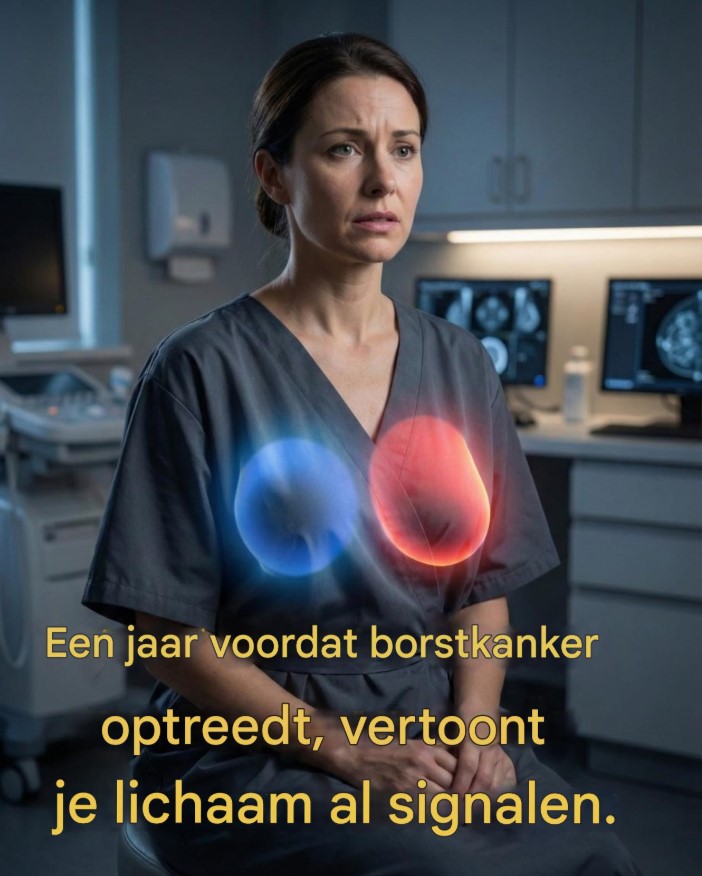
Hoewel borstkanker in eerste instantie niet altijd pijnlijk is, kan aanhoudend ongemak een teken zijn.
Dit kan aanvoelen als een diepe pijn of gevoeligheid die niet overeenkomt met je menstruatiecyclus.
Onderzoek toont aan dat hormonale schommelingen meestal cyclische pijn veroorzaken, maar dat constante pijnklachten verschillen.
If pain lingers in one spot, take note.
Now, here’s a crucial point: Pain alone isn’t definitive, but combined with other signs, it’s worth exploring.
To manage this, try tracking your symptoms on a calendar.
Mark days when pain occurs and its intensity on a scale of 1-10.
Incorporate gentle exercises, like arm circles, to assess if movement affects it.
Sharing this log with a professional can guide next steps.
How to Perform a Effective Breast Self-Exam
Empowering yourself starts with practical routines.
Here’s a step-by-step guide to a breast self-exam, recommended by health organizations:
- Step 1: Visual Inspection. Stand before a mirror, hands on hips. Look for shape, size, or skin changes.
- Step 2: Raise Arms. Repeat the visual check with arms overhead.
- Step 3: Lie Down. Place a pillow under one shoulder, use opposite hand to feel the breast in circles.
- Step 4: Check Nipples. Gently press for discharge or changes.
- Step 5: Repeat Monthly. Do this after your period for consistency.
But don’t stop there—combine this with annual professional screenings.
Research supports that self-exams, when done correctly, increase body awareness.
Lifestyle Habits That Support Breast Health Awareness
Beyond signs, certain habits can enhance your vigilance.
Consider these actionable tips:
- Maintain a Healthy Weight. Studies link excess weight to higher risks, so aim for balanced nutrition.
- Stay Active. Regular exercise, like walking 30 minutes daily, promotes overall wellness.
- Limit Alcohol. Keeping intake moderate aligns with guidelines from health bodies.
- Quit Smoking. If applicable, seek support to stop, as it benefits multiple health aspects.
- Know Your Family History. Discuss with relatives to understand potential genetic factors.
These aren’t guarantees, but they foster a proactive mindset.
And speaking of proactivity…
When to Consult a Healthcare Professional
Timing matters in health matters.
If you spot any of the signs mentioned, schedule an appointment promptly.
Even if it’s nothing, peace of mind is invaluable.
Doctors might recommend mammograms or ultrasounds based on your age and history.
According to the Centers for Disease Control and Prevention, screenings starting at age 40 are often advised.
But personalize it—talk to your provider about your unique situation.
This step closes the loop on awareness.
Comparing Common Myths vs. Facts About Breast Cancer Signs
To clear confusion, let’s break it down in a simple table:
| Myth | Fact |
|---|---|
| All lumps mean cancer | Most lumps are benign; only a doctor can confirm. |
| Pain always indicates cancer | Many causes exist for breast pain, including hormonal changes. |
| Only older women are at risk | It can affect any age, though risk increases with time. |
| Self-exams replace mammograms | They complement, but don’t substitute professional imaging. |
| Familiegeschiedenis is vereist. | Veel gevallen doen zich voor zonder bekende familiebanden. |
Deze vergelijking laat zien waarom onderwijs essentieel is.
Feiten leiden tot betere beslissingen.
