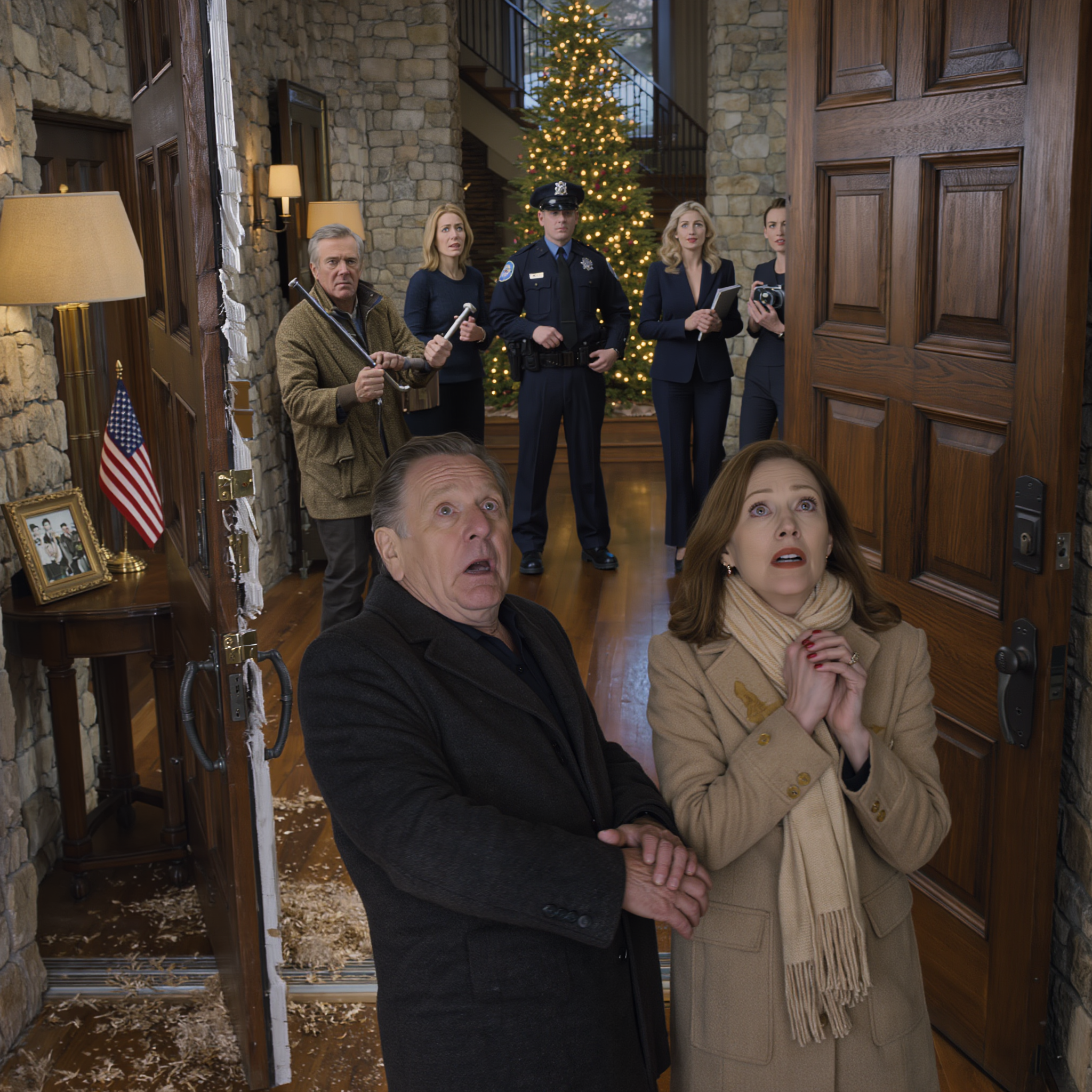
I used to get forgotten on December 25th so often that I finally stopped reminding them. This year I bought an old manor to gift myself some peace. But the next morning, two black SUVs pulled up with a locksmith ready to crack the gate.
They think I purchased this place to live here, but they are wrong. I bought this estate to finally end their game of forgetting me.
My name is Clare Lopez. At thirty-five years old, I had become a statistician of my own misery, calculating the probability of parental affection with the same cold detachment I applied to my work at Hion Risk and Compliance.
In my profession, we deal in the currency of liability and exposure. We tell massive conglomerates which corners they can cut without bringing the whole structure down and which cracks in the foundation will inevitably lead to a collapse. It is a job that requires a certain numbness, an ability to look at a disaster and see only paperwork. It was a skill set I had unknowingly been honing since I was seven years old, the first year my parents Graham and Marilyn forgot to set a place for me at the Christmas dinner table.
Back then it was an accident. Or so they said.
A frantic mother, a distracted father, a golden-child younger brother named Derek who demanded every ounce of oxygen in the room. I sat on the stairs that year, clutching a plastic reindeer, watching them eat roast beef and laugh.
When they finally noticed me an hour later, the excuse was flimsy. They said they thought I was napping. They said I was so quiet they simply lost track of me.
I accepted it because I was seven and I had no other currency but their approval.
But the accidents kept happening. They became a tradition as reliable as the tree or the stockings.
I was forgotten when they booked plane tickets for a family vacation to Aspen when I was sixteen. I was forgotten when they planned a graduation dinner for Derek, but somehow missed my own ceremony two years prior.
The forgetting was not a lapse in memory. It was a weapon. It was a way of telling me exactly where I stood in the Caldwell family hierarchy without ever having to say the words out loud.
I was the safety net.
I was the one they called when Derek crashed his car and needed bail money, or when Graham needed a signature on a loan document because his credit was leveraged to the hilt.
They remembered me perfectly when they needed something. It was only when it came time to give love or space or even a simple meal that my existence became hazy to them.
Last year was the breaking point. It was the night the numbness finally hardened into something useful.
I had driven four hours through a blinding sleet storm to get to their house in Connecticut. It was December 24th. I had not been invited, but I had not been uninvited either. That was the gray area where we lived. I assumed, like a fool, that family was the default setting.
I pulled my sedan into the driveway, my trunk filled with gifts I had spent two months’ salary on. The windows of the house were glowing with that warm amber light that looked so inviting in greeting cards. I could see silhouettes moving inside. I could hear music.
I walked to the front door, my coat heavy with freezing rain, and I looked through the side pane.
They were all there.
Graham was holding court by the fireplace with a scotch in his hand. Marilyn was laughing, her head thrown back, wearing the diamond earrings I had bought her the year before. Derek was there along with his newest girlfriend and a dozen other relatives and friends. The table was set. The candles were lit. There was no empty chair.
I knocked.
The sound seemed to kill the music instantly.
When Marilyn opened the door, she did not look happy to see me. She looked inconvenienced. She held a glass of wine against her chest as if to shield herself from my intrusion.
She said, “Oh, Clare, we thought you were working. You’re always working.”
She did not step aside to let me in. She stood in the doorway, blocking the warmth.
Behind her I saw Graham glance over, see me, and immediately turn his back to refill his drink.
They had not forgotten I existed. They had simply decided that the picture of their perfect family looked better without me in the frame.
I did not yell. I did not cry. I handed her the bag of gifts, turned around, walked back to my car and drove four hours back to my empty apartment in the city.
That was the night I realized that hoping for them to change was a liability I could no longer afford. In my line of work, when a client refuses to mitigate a risk, you drop the client.
So this year, I dropped them.
The preparation took eleven months. It was a forensic dismantling of my previous life.
I changed my phone number and registered the new one under a burner app that routed through three different servers. I set up a post office box in a town forty miles away from where I actually lived. I scrubbed my social media presence, locking down every account, removing every tag, vanishing from the digital world as thoroughly as I had vanished from their dinner table.
I instructed the HR department at Hion to flag any external inquiries about my employment status as security threats.
